


-

Add: HeBei ShengShi HongBang Cellulose Technology CO.,LTD.
-

Email
13180486930@163.com -

CONTACT US
+86 13180486930

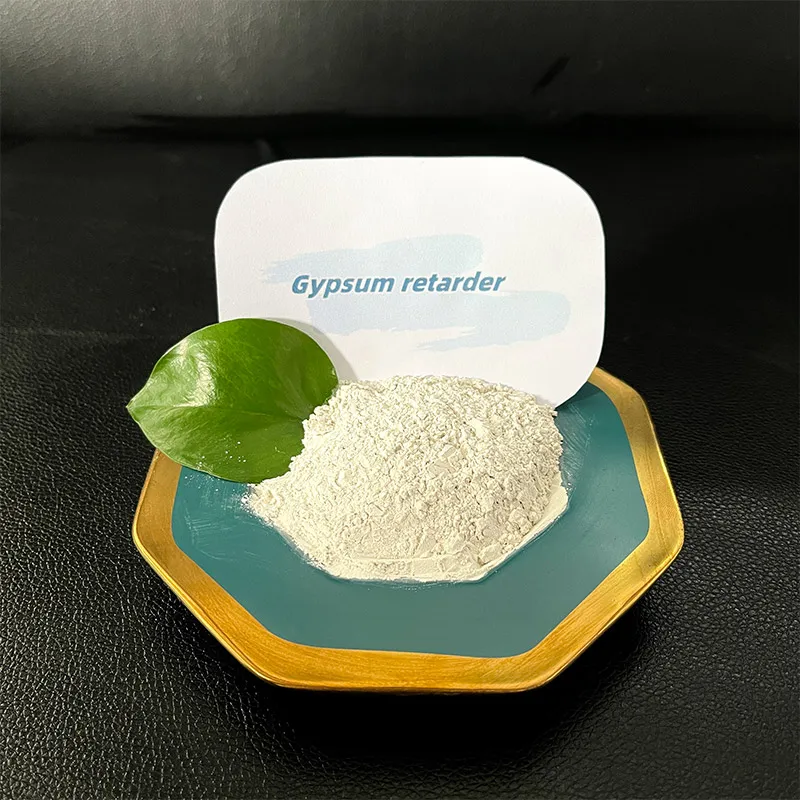

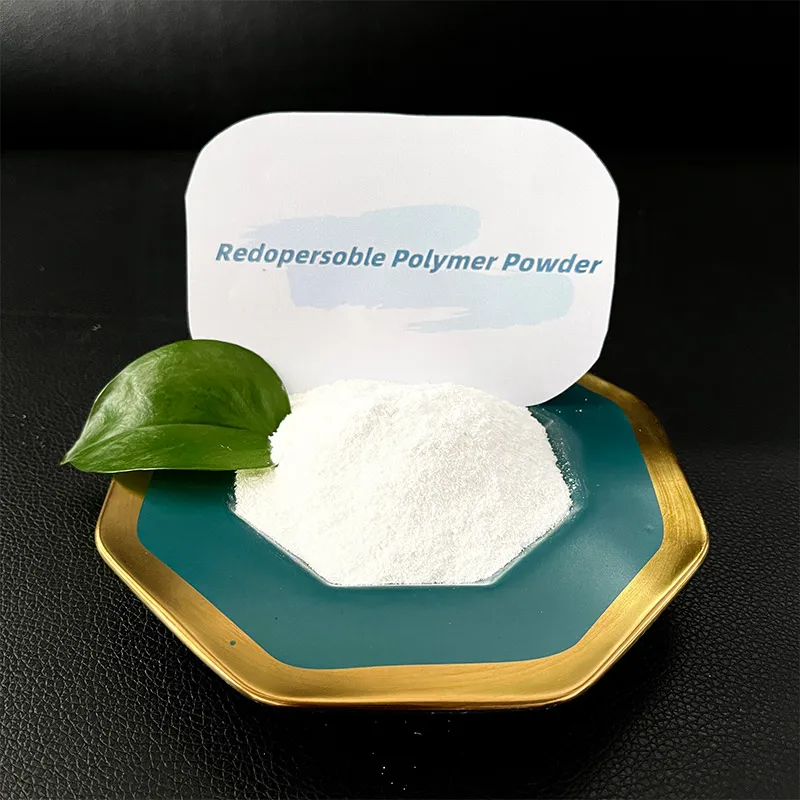
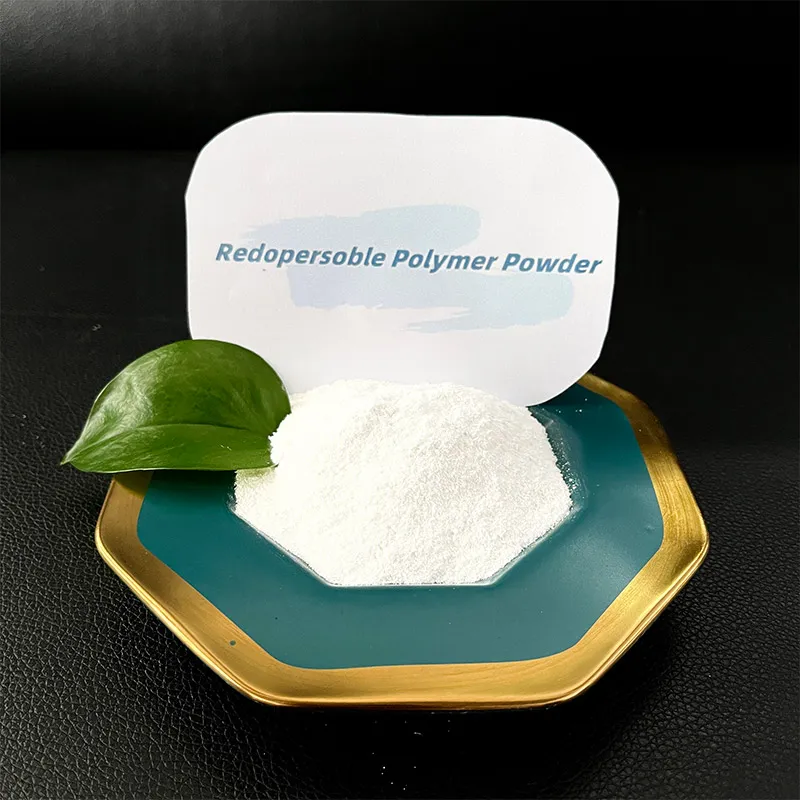


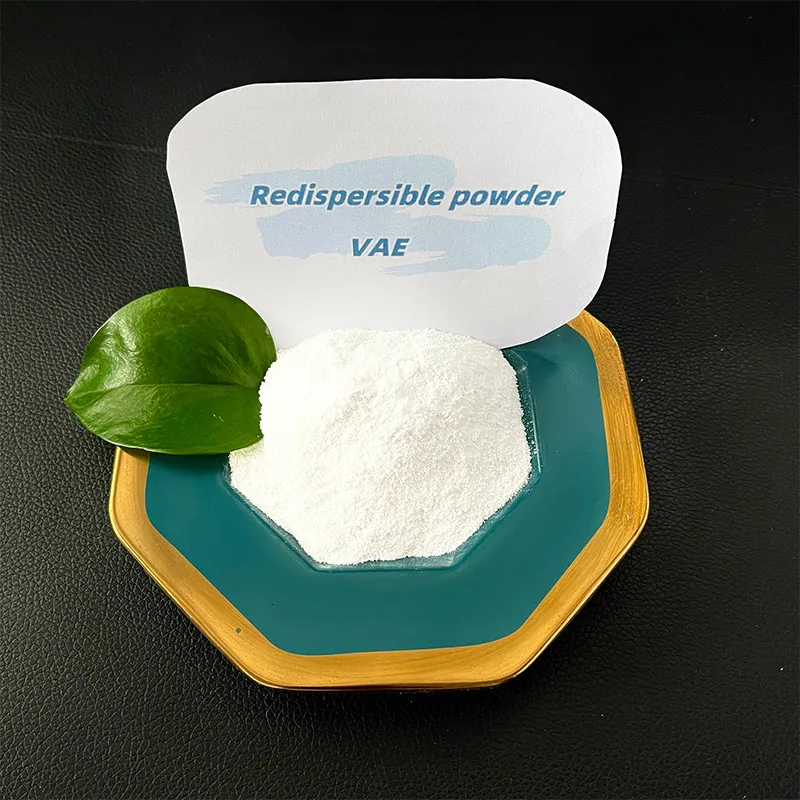
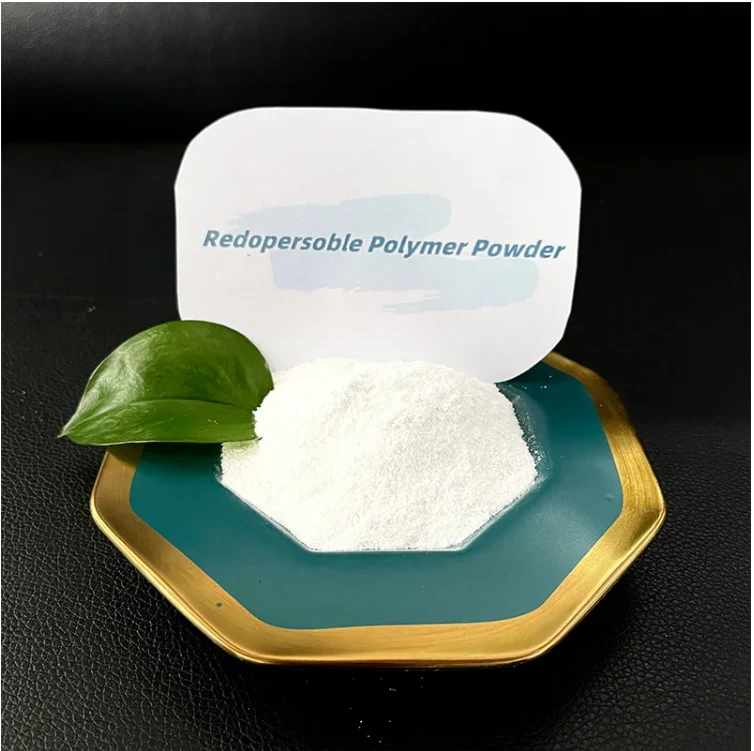
Polymer powder is a key ingredient in many industries, providing critical properties to products in construction, adhesives, coatings, and more. With its wide range of applications, polymer powder enhances the performance, durability, and flexibility of finished products. Available in various forms, polymer powder s can be tailored to meet the specific needs of different applications, making them a versatile choice for manufacturers worldwide. Whether you're working in construction, paints, or textiles, polymer powder offers the ideal solution for improving your products’ functionality. Explore Our Range of Colored Polymer Powder If you need vibrant, long-lasting colors in your products, colored polymer powder is the way to go. Whether you're producing construction materials, decorative coatings, or consumer goods, colored polymer powder offers an efficient way to introduce rich, stable colors into your products. Our premium colored polymer powder is designed to maintain its brightness and consistency, ensuring your products stand out. With a wide selection of shades, you can achieve the exact color you need while maintaining high quality and performance. The Benefits of Redispersible Polymer Powder Redispersible polymer powder is a game-changer in many industrial applications. Unlike traditional resins, redispersible polymer powder can be re-dispersed in water to create a solution, which offers greater convenience and efficiency for various processes. Widely used in adhesives, tile grout, and plaster, redispersible polymer powder enhances bonding strength, flexibility, and durability. This type of polymer powder is particularly valued in the construction and building materials sectors, providing superior performance while reducing transportation and storage costs. Discover the many benefits of using redispersible polymer powder in your formulations today. What Influences Polymer Powder Price? When considering polymer powder price , it’s important to understand the factors that affect the cost. The polymer powder price can vary depending on the type of polymer used, the quantity purchased, and the specific application for which the powder is intended. High-performance polymer powder may be priced higher due to its specialized formulations, while larger orders typically reduce the cost per unit. Additionally, polymer powder price can also depend on the presence of additives, colorants, and whether the polymer powder is customized for particular applications. To ensure you're getting the best value for your needs, always consider both the performance and the cost-effectiveness of the polymer powder price . Why Choose Our Polymer Powders for Your Business? Our polymer powder products are crafted with the highest standards of quality and performance, ensuring that your manufacturing processes run smoothly. From colored polymer powder to redispersible polymer powder , we offer a comprehensive selection that suits a wide variety of industries. Our polymer powder solutions are designed to enhance the quality of your final products, increase production efficiency, and offer cost-effective solutions for your business. With competitive polymer powder price s, we guarantee the best value for your investment. Whether you need a specialized formula or a standard polymer powder , our products are the perfect addition to your production line. Polymer Powders FAQs What is polymer powder? Polymer powder is a fine, dry material made from polymers, typically used in various industrial applications to improve the properties of products like adhesives, coatings, and construction materials. It is valued for its ability to enhance flexibility, strength, and durability in the final product. Polymer powder can come in different types, such as colored polymer powder or redispersible polymer powder , each serving specific functions depending on the industry. What is colored polymer powder used for? Colored polymer powder is primarily used to add vibrant colors to products such as construction materials, coatings, and consumer goods. The color pigments are stable and long-lasting, ensuring that the final product maintains its color over time, even under challenging conditions. It’s ideal for applications where both color and performance are important, making it perfect for industries like construction, automotive, and packaging. What is redispersible polymer powder and how is it used? Redispersible polymer powder is a special type of polymer powder that can be re-dispersed in water, forming a solution that can be easily applied in a variety of industrial processes. It’s commonly used in adhesives, tile grouts, and plaster, where it improves bonding strength, flexibility, and water resistance. The ability to re-dispense the polymer powder in water makes it a more convenient and cost-effective solution for many manufacturing processes. How does the polymer powder price vary? The polymer powder price depends on several factors, including the type of polymer used, the quantity purchased, and whether any special additives or colors are involved. Specialty redispersible polymer powder sand colored polymer powder s often come at a higher price due to their advanced formulations. Additionally, larger volume purchases can reduce the polymer powder price per unit, offering better cost-effectiveness for bulk orders. Why should I choose your polymer powders? Our polymer powder sare craftedto meet the highest standards of quality, ensuring that your products perform at their best. We offer a wide selection of colored polymer powder s and redispersible polymer powder s, all designed to enhance the durability, flexibility, and performance of your products. Our polymer powder price is competitive, offering you the best value for your investment. Whether you’re in construction, coatings, or any other industry, we have the perfect polymer powder solution for you.
- 40000tons

Production
- 20+years

Experience
- 5000+㎡

Acreage

-
The Insights into Rubber Powder Prices Market Trends and Influencing Factors Rubber powder is a finely ground material derived from natural rubber or synthetic rubber, and it has gained significant traction across various industries due to its versatile applications. The demand for rubber powder is driven by its use in manufacturing products such as tires, mats, and molded goods, as well as in construction materials and even in the polymer industry. Understanding the pricing dynamics of rubber powder is essential for manufacturers, suppliers, and consumers alike, as it directly affects production costs and market competitiveness. Current Market Trends As of late 2023, the rubber powder market has exhibited fluctuating prices influenced by several factors such as raw material costs, production capabilities, and global demand. The price of rubber powder typically correlates with the price of raw rubber, which has experienced volatility due to changing environmental policies, production levels, and fluctuating demand in key markets like China and India. In recent years, there has been a notable increase in demand for eco-friendly materials, pushing industries toward sustainable practices that utilize rubber powder made from recycled materials. This shift has contributed to some degree of price stabilization, but not without other challenges. Factors Influencing Rubber Powder Prices 1. Raw Material Costs The primary factor affecting rubber powder prices is the cost of raw materials, i.e. , natural rubber and synthetic rubber . Prices for these raw materials fluctuate based on global supply and demand dynamics. For instance, adverse weather conditions, such as excessive rainfall or drought in producing regions, can disrupt the supply chain, leading to price increases. Additionally, geopolitical tensions affecting oil supply can impact the production costs of synthetic rubber. rubber powder price 2. Technological Advancements The rubber powder manufacturing process has seen advancements in technology that can potentially reduce production costs. Automated machinery and enhanced grinding techniques can improve the efficiency and yield of rubber powder production. However, the initial investment in these technologies may lead to higher prices, influencing overall market pricing strategies. 3. Recycling Trends The increase in recycling initiatives is pivotal in stabilizing rubber powder prices. Manufacturers are exploring the use of recycled rubber to create powdered forms, reducing reliance on new material and consequently affecting pricing. This innovation not only benefits the environment by curbing waste but also creates competitive pricing in the rubber powder market. The demand for recycled rubber powder has been steadily increasing, providing an avenue for price stability while promoting sustainability. 4. Global Economic Conditions Economic fluctuations across the globe can significantly impact rubber powder prices. Economic growth typically leads to increased industrial activity and higher demand for rubber products, while downturns can lead to a decrease in demand and thus lower prices. Factors such as inflation, currency exchange rates, and changes in consumer behavior play critical roles in determining market dynamics. 5. Regulatory Impact Environmental regulations are becoming increasingly stringent, pushing manufacturers to adopt more sustainable practices. Compliance costs associated with these regulations can influence production costs and, by extension, rubber powder prices. Companies that can scale and adapt to these regulations efficiently may find themselves with a pricing advantage in the market. Conclusion In summary, the rubber powder pricing landscape is complex and influenced by a multitude of factors including raw material costs, technological advancements, recycling trends, global economic conditions, and regulatory impacts. Stakeholders in the rubber powder market must navigate these dynamics carefully, looking for opportunities to optimize their processes and reduce costs wherever possible. As sustainability becomes a central theme in production, the potential for stable pricing of rubber powder remains strong, provided that manufacturers continue to innovate and adapt to changing market conditions. Understanding these trends is essential for making informed decisions in an increasingly competitive environment.
-
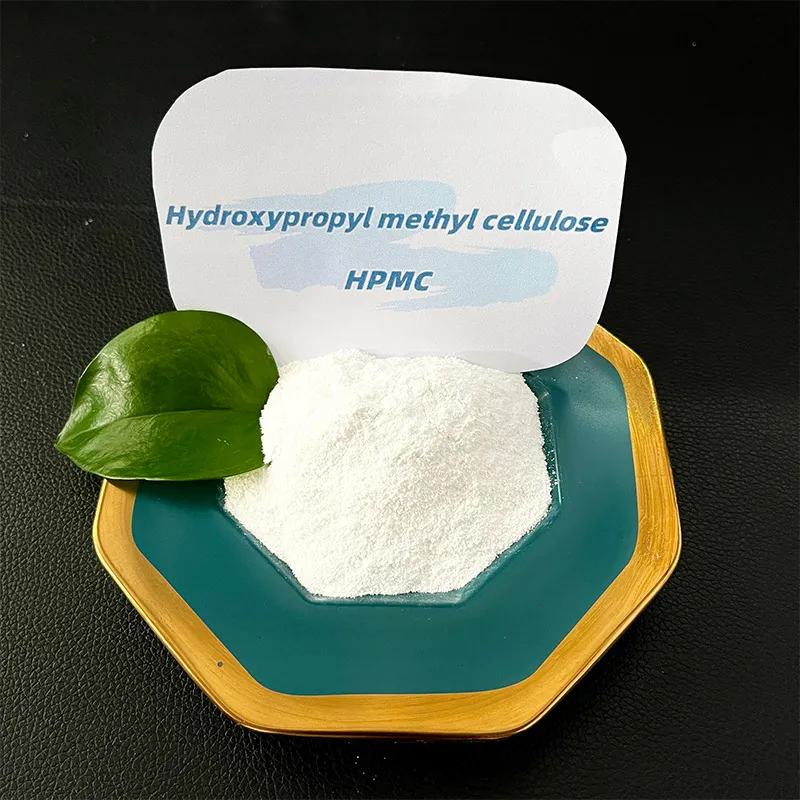
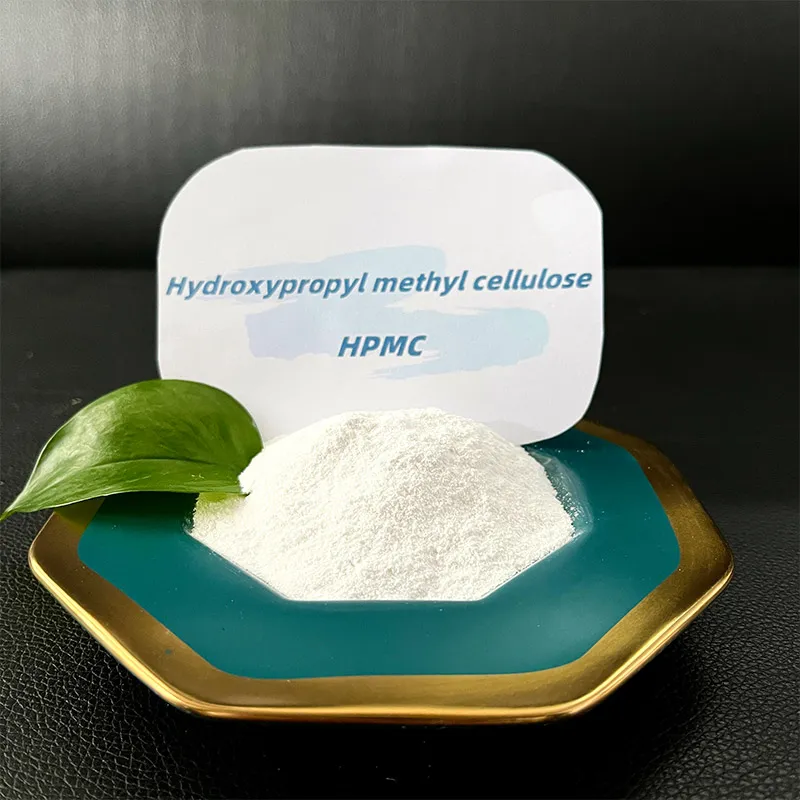
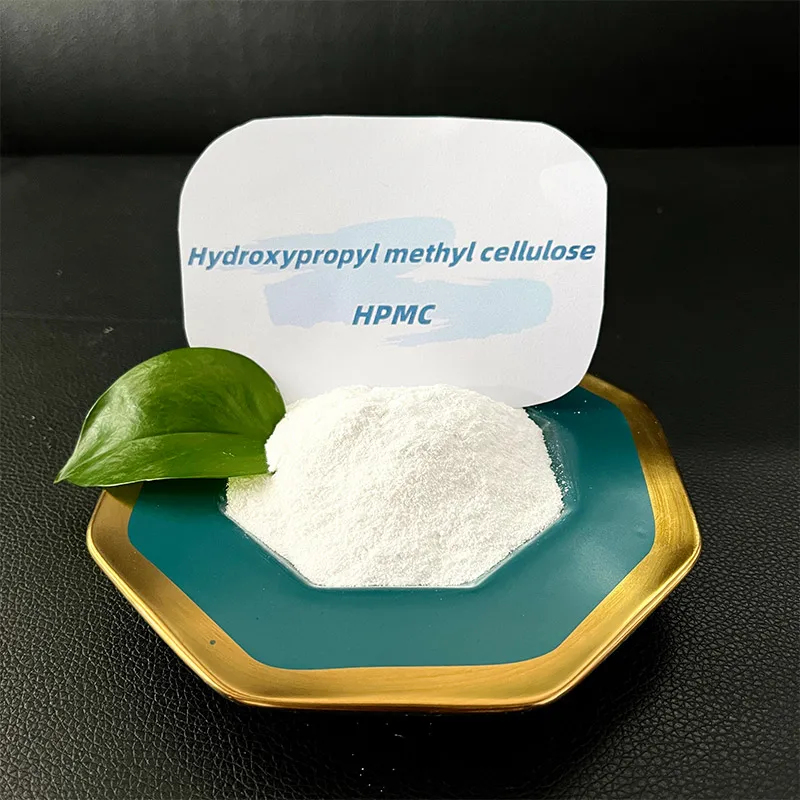
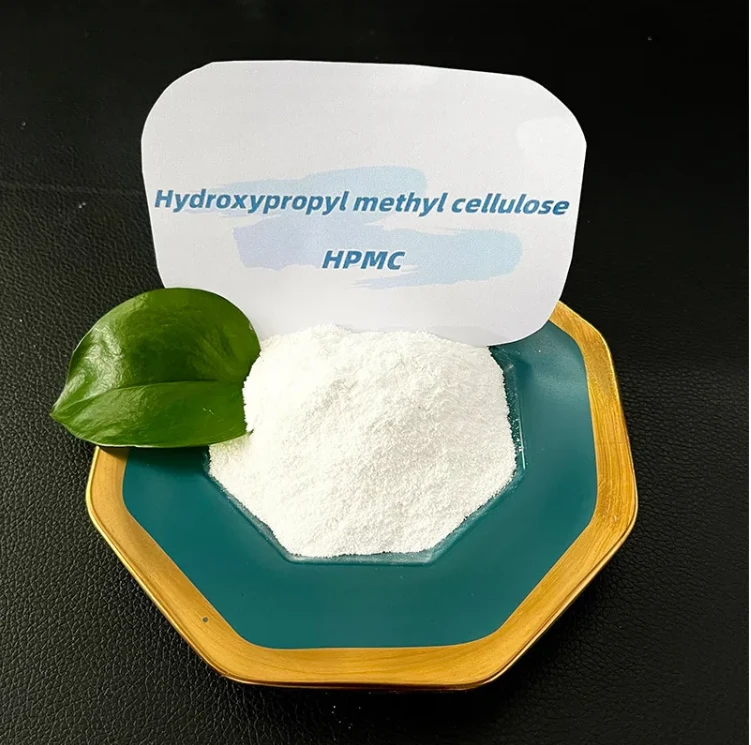
Hydroxypropyl methylcellulose (HPMC) polymer is increasingly capturing the attention of researchers, manufacturers, and consumers alike due to its versatile properties and myriad applications across various industries. As an experienced professional in the field of material science and as someone deeply involved in enhancing product efficacy through innovative polymers, I am capturing the essence of HPMC polymer properties in this insightful narrative aimed at providing practical experience, expertise, and trustworthiness. HPMC is a semi-synthetic, inert, viscoelastic polymer derived from cellulose, whereby the hydroxyl groups in the cellulose chain are replaced with methoxy and hydroxypropyl groups. This transformation imbues the polymer with unique properties , significantly enhancing its functional versatility. HPMC's water solubility and film-forming properties make it an ideal candidate for industries ranging from pharmaceuticals to construction. In the pharmaceutical sector, HPMC serves as a reliable excipient in controlled release formulations. Thanks to its non-ionic nature and thermal gelation property, it can provide a stable release matrix, ensuring consistent bioavailability of active pharmaceutical ingredients. Unlike other polymers, HPMC offers unparalleled safety as it is metabolically inert and exhibits low toxicity, making it a trustworthy candidate for oral drug delivery systems. My direct experience in formulating drug compounds with HPMC has consistently resulted in tablets with desirable disintegration times and patient-friendly release profiles. Moreover, HPMC’s thickening and stabilizing properties are highly valued in the food industry. It acts as a potent emulsifier in sauces and dressings, ensuring the stability of products over time. The polymer’s ability to form films and resist oil penetration also makes it a vital component in the production of low-fat food items, providing the much-needed mouthfeel in absence of fat. Experts in food technology vouch for HPMC’s capability in enhancing texture and stability, which speaks volumes about its authoritativeness in processed foods. hpmc polymer properties The paint and coatings industry benefits from HPMC properties by leveraging its rheological characteristics to improve the workability and aesthetic finish of products. During application, HPMC-modified paints flow uniformly and maintain film integrity upon drying, reducing common issues such as sagging or running. Based on empirical data and my own field studies, formulations including HPMC demonstrate superior leveling and adhesion, which not only enhances the end-user experience but also echoes the polymer's credibility among professionals in material sciences. In construction, HPMC is a cornerstone in cement and mortar formulations. Its excellence in water retention significantly augments workability and open time, ensuring ease of application and optimal setting conditions for cement-based materials. Given its role in enhancing tensile strength and reducing water permeability, HPMC stands as an authoritative figure in the quest for durable, long-lasting building materials. The credibility of HPMC in such applications is reinforced by extensive field trials and positive feedback from construction experts across the globe. Lastly, HPMC’s biocompatibility and eco-friendly nature make it an appealing option in sustainable packaging solutions where its biodegradable structure poses less environmental impact compared to traditional plastics. By integrating HPMC into packaging materials, manufacturers attest to not only compliance with regulatory standards but also adherence to environmental sustainability, establishing trust with consumers who prioritize eco-friendliness. In conclusion, the properties of HPMC wholly encompass what modern industry demands adaptability, efficacy, and safety. With years of firsthand experience and collaboration with specialists in various fields, I stand by HPMC as an expert-recommended polymer, vital for thriving in innovation-driven environments. Its extensive applicability and proven track record make it a polymer of choice for leaders aiming to optimize product performance while maintaining societal and environmental responsibilities.
advantages
-

200000 Viscosities
Excellent product
We can produce pure products up to 200,000 viscosities
-

40000 tons
High yield
We don’t stop production all year round, and the annual output can reach 40,000 tons
-

24 hours
Quality service
We provide 24-hours online reception service, welcome to consult at any time
———— Inquiry Form
Schedule A services

-
 hpmc_polymer_uses
Oct . 25, 2025
For companies in the pharmaceutical, construction, and food industries, a dependable source of Hydro -
 polypropylene_staple_fiber
Oct . 25, 2025
In modern construction and industrial applications, materials like redispersible polymer powder , vi -
 low_melt_polyester_staple_fiber
Oct . 25, 2025
Hydroxypropyl methylcellulose solution , commonly abbreviated as HPMC, plays a transformative role i


